
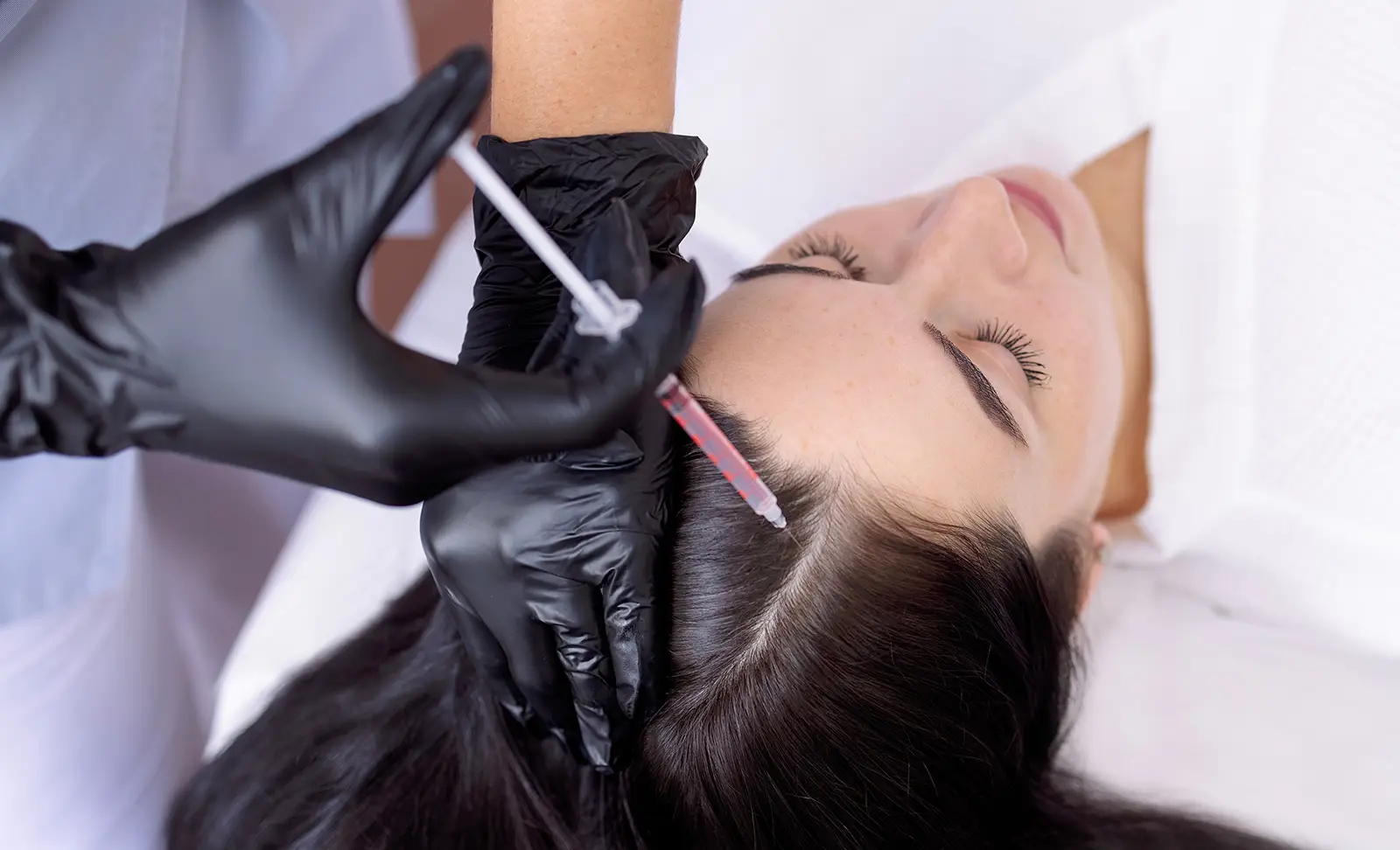
PRP treatment hair has become a popular and effective solution for individuals experiencing hair thinning and early-stage hair loss. While the initial sessions stimulate dormant hair follicles and encourage growth, understanding the maintenance schedule is crucial to sustaining results. Many patients wonder how often they need follow-up treatments to preserve hair density and maintain overall scalp health. Proper maintenance not only prolongs the benefits of PRP therapy but also ensures that hair growth remains consistent over time.
Why Maintenance Is Important:
Even after successful PRP sessions, hair follicles require ongoing stimulation to sustain growth. Without maintenance, the effects of the initial treatments may gradually diminish. Key points include:
-
Follicles may return to a dormant state if not regularly stimulated
-
Maintenance helps preserve the strength and density of newly grown hair
-
Prevents regression in patients with ongoing hair loss conditions
-
Supports long-term scalp health and follicle vitality
Regular upkeep ensures that the initial investment in PRP treatment hair continues to deliver visible benefits.
Typical PRP Maintenance Schedule:
The frequency of maintenance sessions depends on individual hair loss patterns, age, and response to initial treatments. Common guidelines include:
-
After the initial 3–4 sessions, maintenance is usually recommended every 4–6 months
-
Some patients with aggressive hair loss may benefit from more frequent sessions
-
Those with slower hair thinning may require less frequent touch-ups
-
Specialists tailor schedules based on hair density improvements and patient goals
Following a structured maintenance plan helps achieve consistent results and prolongs the effects of PRP therapy.
Factors Affecting Maintenance Frequency:
Several factors determine how often a patient should undergo PRP treatment hair to maintain optimal results. Important considerations include:
-
Degree of hair loss and follicle health at the start of treatment
-
Age and genetic predisposition to hair thinning
-
Overall scalp condition and blood circulation
-
Lifestyle factors, such as diet, stress, and hair care routines
Understanding these factors allows specialists to create personalized maintenance plans for each patient.
Monitoring Results Between Sessions:
Tracking progress between maintenance sessions is essential for assessing the effectiveness of PRP therapy. Key points include:
-
Taking regular photos to monitor hair density changes
-
Noting any increase or decrease in shedding
-
Reporting scalp sensitivity, irritation, or unusual side effects
-
Discussing adjustments in treatment intervals with the specialist
Regular monitoring ensures timely intervention if hair growth plateaus or begins to regress.
Benefits of Adhering to a Maintenance Plan:
Following a consistent PRP treatment hair maintenance schedule offers numerous advantages. These benefits include:
-
Sustained hair density and improved follicle strength
-
Reduced likelihood of future hair loss or thinning
-
Enhanced scalp health and follicular regeneration
-
Long-term improvements in hair quality, texture, and thickness
Consistent maintenance reinforces the results achieved during initial treatment sessions and maximizes the overall effectiveness of PRP therapy.
Combining PRP with Supportive Treatments:
Maintenance sessions can be complemented by additional therapies and lifestyle adjustments to enhance results. Recommended supportive measures include:
-
Using topical or oral hair growth medications as prescribed
-
Incorporating low-level laser therapy to stimulate follicles
-
Maintaining a nutrient-rich diet with vitamins and minerals for hair health
-
Managing stress and practicing proper hair care routines
These complementary practices work synergistically with PRP therapy to prolong results and improve overall hair vitality.
Addressing Common Concerns About Maintenance:
Many patients worry about cost, time commitment, or discomfort associated with regular PRP sessions. Key points to alleviate these concerns include:
-
Maintenance sessions are typically shorter and less intensive than initial treatments
-
Discomfort is usually mild and manageable with topical anesthetics
-
Investing in regular upkeep prevents more costly and extensive procedures in the future
-
Most patients find the benefits of sustained hair growth outweigh the minor inconvenience
Educating patients about the importance of maintenance helps encourage adherence to long-term treatment plans.
Signs You May Need a Maintenance Session:
Certain indicators suggest that it may be time for a follow-up PRP treatment hair session. Key signs include:
-
Noticeable thinning or increased shedding in previously treated areas
-
Reduction in hair density or volume
-
Slower hair growth compared to earlier results
-
Follicles appearing weaker or less responsive
Recognizing these signs early allows patients to schedule maintenance before significant regression occurs.
Final Thoughts:
PRP treatment hair offers a highly effective, non-surgical approach to stimulating hair growth and improving scalp health. However, maintaining results requires adherence to a structured maintenance schedule. By understanding the typical intervals for follow-up sessions, monitoring progress, combining supportive therapies, and recognizing signs that a touch-up is needed, patients can sustain the benefits of PRP therapy over the long term. Consistent maintenance ensures stronger follicles, improved hair density, and a healthier scalp, making it an essential component of successful hair restoration.

 English
 Arabic
 French
 Spanish
 Portuguese
 Deutsch
 Turkish
 Dutch
Dutch
 Italiano
 Russian
 Romaian
 Greek
Greek